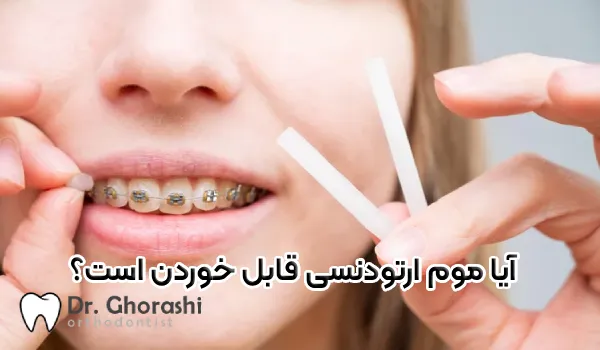

Orthodontic wax is one of the simple and at the same time important tools in orthodontic treatment that reduces the pressure and wear of wires and Brackets on the mouth help. Many patients, especially in the early days of using braces, may be faced with a question, can orthodontic wax be eaten?
In this article from the website of Dr. Saeed Qureshi, the best orthodontic specialist, we intend to answer this question comprehensively and completely.
No, orthodontic wax is not designed to be eaten. These waxes are mainly made of harmless and non-toxic materials so that they do not cause any damage if they come into contact with the mouth and gums, but their purpose is to protect the oral tissues, not to swallow. Intentionally ingesting wax may cause digestive problems, blockages, or discomfort, while reducing its protective effect on brackets and wires, which we'll explore below.
Useful article: The best orthodontic specialist in East Tehran
Orthodontic wax is designed to protect the gums and prevent irritation from wires and brackets and is intended strictly for topical use, not for internal use. Eating orthodontic wax can cause several problems:
Gastrointestinal problemsIngested wax may cause heartburn, nausea, or even indigestion. In rare cases, swallowing a large amount of wax can cause a partial blockage in the digestive tract.
Reduction of protective effect
When the wax is swallowed, it no longer remains on the wires and brackets, and its main function of protecting the gums is no longer performed. This issue can cause sores, inflammation and pain in the gums or cheeks.
Risk of contamination
Orthodontic wax is usually stored in the mouth and sanitary napkins, and swallowing it can expose you to bacteria and germs. Even if the wax is made of safe materials, its oral consumption is not recommended.
Unhealthy habits class="ez-toc-section-end">
Swallowing wax can become a habit and eventually cause constant swallowing and even anxiety in children or teenagers.
Orthodontic wax should only be used to protect oral tissues and should be strictly avoided. If a child or a patient accidentally swallows wax, there is usually no serious risk, but it should be avoided intentionally or repeatedly, and in case of pain or digestive problems, consult a doctor or dentist.
Useful article: Eating orthodontic brackets
When is it dangerous to eat orthodontic wax?
Eating orthodontic wax is usually not a serious risk, but it can be problematic in some situations. Cases in which swallowing wax can be dangerous include the following.
- Swallowing several pieces or a large volume of wax
- Contaminated or dirty wax
- Previous digestive problems (reflux, stomach sensitivity)
- Children and minors (danger of suffocation)
- contact of wax with mouth sores or inflammation
- Getting used to eating orthodontic wax
What should we do about eating orthodontic wax?
Don't worry after swallowing orthodontic wax. In most cases, there is no serious problem, but following some important points is recommended:
- Monitoring gastrointestinal symptoms: Watch for abdominal pain, nausea, vomiting, or constipation. If these symptoms become severe or persistent, see a doctor immediately.
- Drinking fluids: Consuming water and light drinks helps the wax pass easily through the digestive system and reduces the possibility of partial blockage.
- Do not repeat: Avoid swallowing wax on purpose. If it's a child, try to control the behavior with training methods or safe alternatives (such as soft candy or mouth toys).
- Consult a doctor: If a large amount of wax is swallowed or abnormal symptoms appear, consult a doctor or dentist for a thorough examination.
A small piece of wax is usually eliminated from the body without problems, but any intentional or repeated ingestion can be dangerous and should be taken seriously.
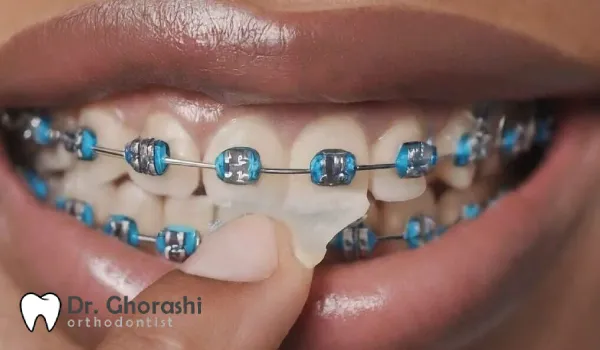
To prevent eating or swallowing orthodontic wax, you must first be familiar with the correct way to use and install it. Improper application or loose fitting of wax can increase the risk of accidental ingestion. Following the tips below will help make the wax safe and effective:
- Wax removal before meals
- Keeping the jaw fixed after installation
- Timely replacement of wax
- clean and dry place of installation
- Correct installation of wax
- Avoid playing with wax
- Limit the retention period
The right time to apply new wax: The best time is after meals, after drinking hot liquids or when the previous wax has lost its adhesion or is contaminated. Observing these tips makes orthodontic wax both safer and more effective.
Concluding remarks
Orthodontic wax is a simple but important tool that helps reduce pressure and prevent irritation of gums and oral tissues. This wax is not designed to be eaten and its intentional or repeated ingestion can cause digestive problems or reduce the protective effect. Observance of safety tips, correct installation and timely replacement of wax is the best way to use it safely and effectively. Finally, if wax is accidentally swallowed, there is nothing to worry about, but in case of abnormal symptoms or swallowing a large volume, be sure to consult a doctor or dentist to maintain the health of your mouth and body.